Here's the short answer most people are looking for: clean your dryer vent about once a year. That single habit keeps your dryer running efficiently and removes the lint buildup that quietly turns a routine appliance into a fire risk. Below is when to clean it more often, the warning signs it's overdue, what it costs, and where the line falls between a DIY job and a call to the pros.
It's an easy chore to forget because the trouble hides out of sight, inside the duct that runs from the back of your dryer to the outside of your home. Lint slips past the screen on every cycle and settles along that run, and unlike the lint trap, nobody thinks to check it. Staying ahead of it is simple once you know what to watch for.
How often should you clean your dryer vent?
For a typical household, once a year is the right baseline. That interval keeps lint from accumulating to the point where it chokes airflow or becomes a hazard, and it lines up with what appliance manufacturers and fire-safety groups generally recommend. If your dryer sees light use, you may stretch it slightly; if it runs constantly, plan on cleaning it more often.
Several factors push you toward a shorter schedule, so it helps to be honest about your own home:
- Laundry volume. A big family running loads daily produces far more lint than a one- or two-person household.
- Pets. Shedding pets add hair and dander that clog a vent faster.
- Vent length and shape. Long runs, tight bends, and elbows all trap lint, so a dryer on an interior wall or upper floor needs attention sooner than one venting straight through an exterior wall.
- Roof or hard-to-reach terminations. Vents that exit through the roof accumulate buildup where you can't easily see or reach it.
If more than one of those describes your setup, treat a twice-a-year check as the norm rather than the exception. A quick look is free; a clogged vent is not. When you'd rather have someone confirm it, a professional dryer vent cleaning starts with an inspection that tells you exactly where you stand.
Signs your dryer vent needs cleaning
You rarely need tools to catch a clogged vent early. These are the red flags worth acting on:
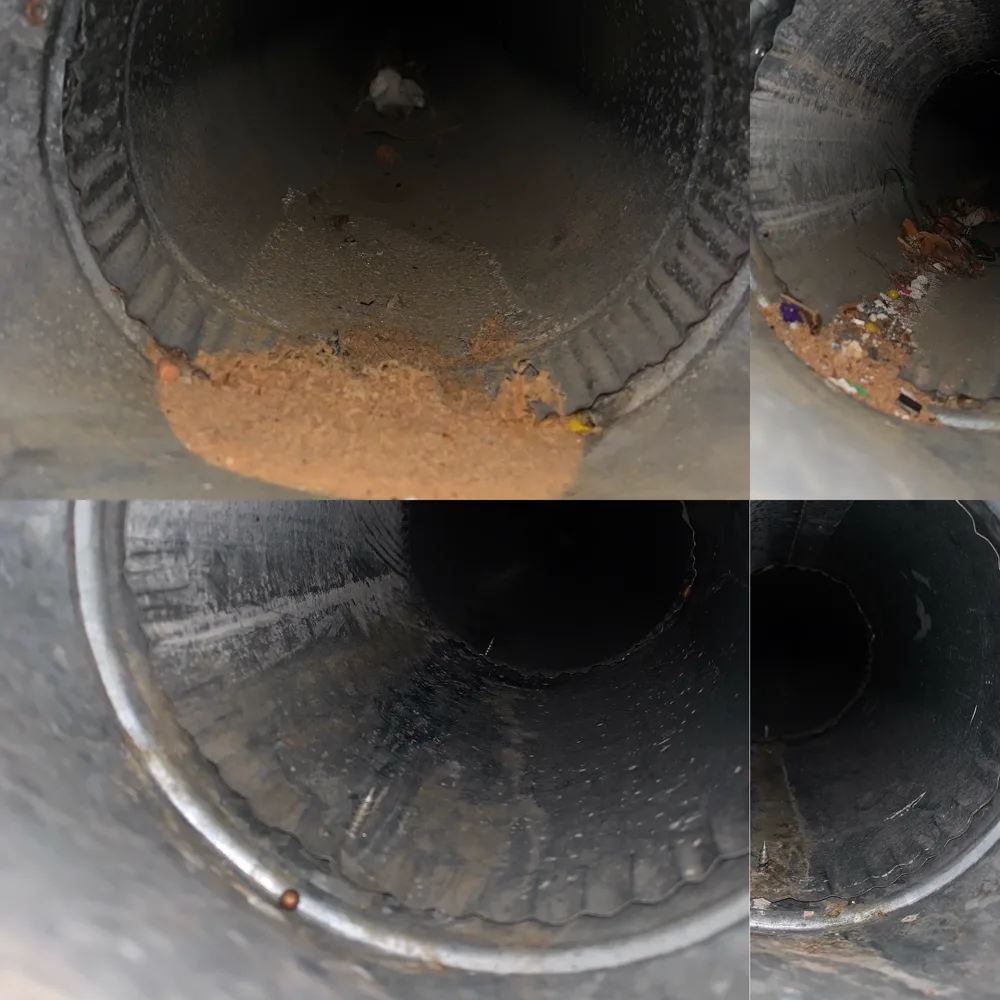
- Clothes take more than one cycle to dry, or come out hot and still damp
- The dryer or laundry room feels unusually hot while a load runs
- A burning or musty smell when the dryer is on
- Lint collecting around the exterior vent hood, or a flap that no longer opens fully
- The dryer shuts off mid-cycle, a sign it's overheating and tripping its safety limit
- It's simply been over a year since the full duct was last cleaned
Longer dry times are usually the first thing homeowners notice, and they're easy to dismiss as an aging dryer. More often the appliance is fine and the vent is restricted, forcing it to work harder for the same result. Catching that early saves both energy and wear on the machine.
Why it matters more than you'd think
The most serious reason is fire. According to the U.S. Fire Administration, clothes dryers cause thousands of home fires every year, and the leading contributing factor is a failure to clean them. When lint builds up, airflow drops, the dryer runs hotter, and that mix of high heat and combustible lint is exactly how a fire starts. The National Fire Protection Association reports the same pattern in its home dryer fire data.
Safety aside, a clogged vent costs you money and shortens your dryer's life. Restricted airflow means longer cycles and higher energy bills, and the extra heat and strain wear out the motor, heating element, and other parts faster. Trapped moisture that can't escape also encourages mildew in the duct. In other words, an annual cleaning pays for itself in efficiency and equipment lifespan long before you ever factor in the fire risk it removes.
Gas dryers add one more consideration. A blocked vent can push combustion byproducts, including carbon monoxide, back toward your living space instead of safely outdoors. That makes a clear, properly terminated vent a health issue as much as an efficiency one — and it's a big reason we confirm the vent actually exits the home, not just that it's free of lint.
What professional dryer vent cleaning involves — and who we are
AirFresh Inc. has been locally owned since 2005, and we work out of three offices — Northbrook, Clarendon Hills, and Chicago — so a licensed, insured crew is rarely far from your neighborhood. We're not a national franchise routing your call to a call center; the person who quotes your job is accountable for the crew that shows up.
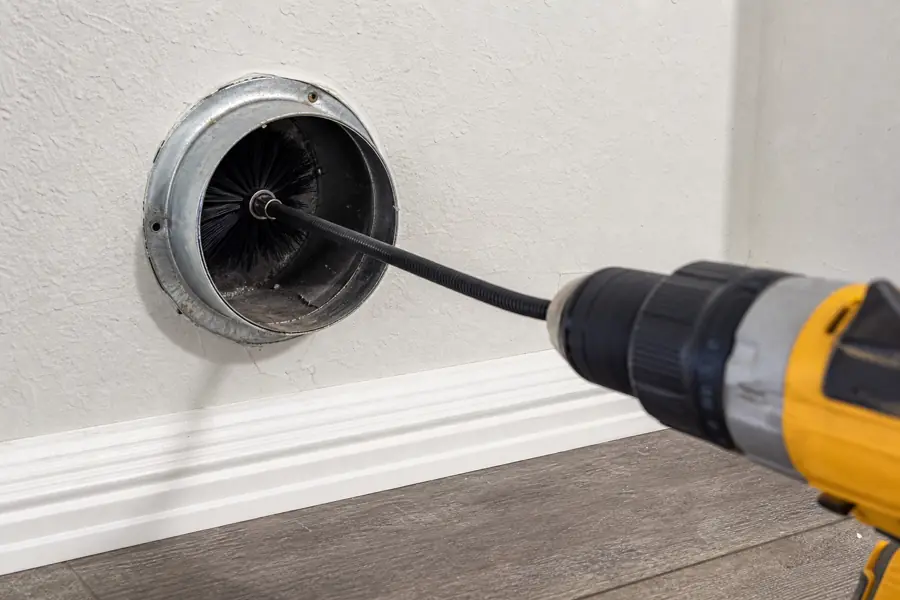
A proper cleaning clears the entire run, not just the parts you can see. We inspect the duct first, then use rotary brushes and high-powered vacuums to pull lint from the dryer connection all the way to the exterior hood, capturing debris rather than scattering it. We also confirm the vent is properly connected, unobstructed, and terminating outdoors — not into an attic or crawlspace, a surprisingly common and hazardous mistake. Every visit is backed by our 100% satisfaction guarantee, and you can see the full scope on our dryer vent cleaning page.
Condos and multi-unit buildings bring their own wrinkle. Stacked units often share long, vertical vent chases that are impossible to reach from inside your own unit, and building rules may call for coordination with management before work begins. We handle those setups regularly across the city, and part of a thorough inspection is confirming your vent isn't tied into a shared blockage that no single resident can see.
What does dryer vent cleaning cost?
We keep pricing straightforward. Every dryer vent job begins with a $175 inspection, and that fee is credited toward your cleaning if you decide to go ahead. During the inspection we check your full vent run and exterior vent, confirm exactly what's needed, and lock in a firm price before any work starts.
Most standard vents are quick, predictable jobs. Unusually long runs or roof-terminated vents can take more time and cost a bit more, but you'll always know the number up front — no bait-and-switch and no surprise charges. If you'd like a firm figure for your home, you can request a free quote in about a minute.
Can you clean a dryer vent yourself?
Some of it, yes. The easiest and most important habit is clearing the lint screen before or after every load — the CPSC and fire-safety agencies all recommend it, and it keeps a big share of lint out of the duct in the first place. You can also unplug the dryer, pull it out, disconnect the flexible hose, and vacuum the first few feet of duct you can reach.
Where DIY runs out of road is the hidden part of the run — the long horizontal stretches inside walls, the bends, and especially roof terminations. Those need the reach of rotary brushes and the suction of a proper vacuum to clear fully, and getting on a roof to service a vent isn't worth the risk for most homeowners. If your vent is long, hard to reach, or you simply can't remember the last time the full run was done, that's the point to bring in a pro. It also pairs naturally with air duct cleaning if you're already having a crew out.
Habits that keep your dryer safe between cleanings
A yearly cleaning does the heavy lifting, but a few simple habits keep lint from building up as quickly in between:
- Clean the lint screen every load — the single easiest way to protect airflow.
- Use rigid or semi-rigid metal ducting, not the ribbed foil or plastic hoses that sag and trap lint.
- Don't overload the dryer, which forces longer, hotter cycles.
- Avoid running the dryer overnight or while you're out, so an undetected problem can't spread unattended.
None of this takes real effort, and together it meaningfully lowers your risk while your dryer runs cooler and faster. Curious how a clean vent fits into whole-home air quality? Our guide to cleaning your air ducts covers the bigger picture.
The bottom line
Clean your dryer vent about once a year, sooner if you do heavy laundry, have pets, or run a long or roof-terminated vent. Watch for the warning signs — slow drying, a hot dryer, or lint at the exterior hood — and don't put off what turns out to be a fast, inexpensive fix. It protects your home, trims your energy bill, and helps your dryer last longer.
Frequently asked questions
How often should you clean your dryer vent?
For most homes, once a year is the right baseline. Clean it more often if you do a lot of laundry, have a large family or shedding pets, or your vent run is long or has several bends — all of which trap lint faster.
What are the signs a dryer vent needs cleaning?
The clearest signs are clothes taking more than one cycle to dry, a hot dryer or laundry room, a burning or musty smell, lint around the exterior vent hood, a flap that no longer opens fully, or the dryer shutting off mid-cycle from overheating.
How much does professional dryer vent cleaning cost?
We start with a $175 inspection that's credited toward your cleaning if you proceed. After checking your full vent run and exterior vent, we confirm a firm price up front; unusually long or roof-terminated vents can cost more.
Can I clean my dryer vent myself?
You can clean the lint screen every load and vacuum the first few accessible feet of duct. The full run, hidden ducting, and roof-terminated vents are safer and more effective to have cleaned by a professional with the right brushes and vacuums.